

What CES 2026 is Telling Us About Extended Reality: Predictions, Analysis, and Strategy
If you weren't blessed with CES passes this year, but still want to know what XR-related consumer electronics will be changing our lives, here's what you need to know in 2 minutes or less. Here we examined the major predictions, product announcements, and strategic trends coming out of CES 2026 that are influencing the AR/VR landscape.
Smart Glasses > xr Headsets in 2026
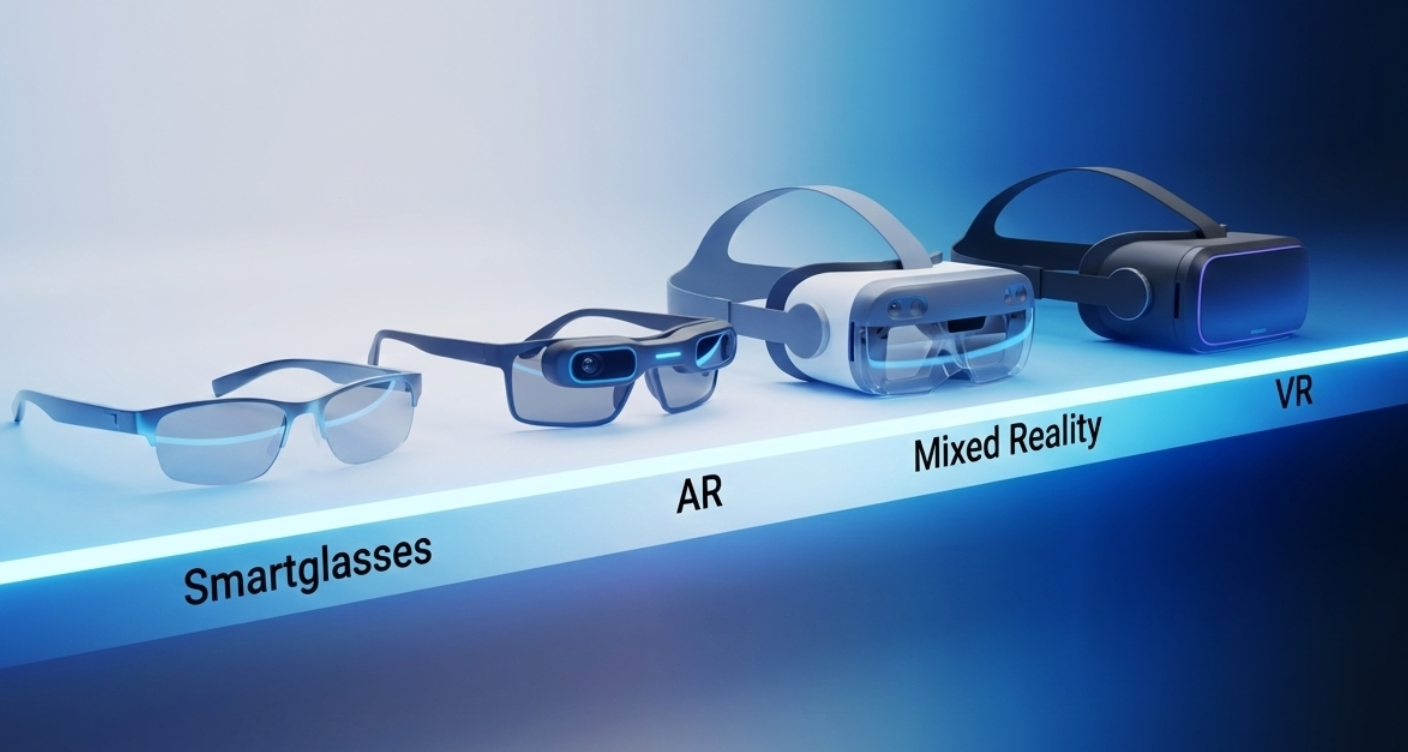
The XR Glasses Spectrum (AI Generated)
The most striking observation for CES 2026 centers on device categories. This year we expect more smart glasses than XR and VR headsets on display. It's a change up that I'm sure has industry analysts everywhere typing "the metaverse is dead!!1!" as we speak...This shift in hardware preference reflects fundamental changes in what people want, technological capability, and business model viability that became evident throughout 2025.
This change was lead Meta's Ray-Ban smart glasses (love 'em, hate 'em, etc, Zucks winning, deal with it.). Sales increased 200% in the first half of 2025, with over 2 million pairs sold. EssilorLuxottica, Meta's manufacturing partner, is preparing to scale production capacity to 10 million pairs annually by the end of 2026. XR enthusiasts, and weirdly, Citibank analysts trying to convince people to buy more Meta shares, predict 2026 will be the year smart glasses go mainstream, replicating the growth trajectory of smartwatches and wireless earbuds. While the hardware is a key component, I think growth will be driven more by what software and apps Meta allows on the device and how useful they are.
And, yes. While consumer smart glasses dominate headlines, (remember this is the Consumer Electronics Show) enterprise mixed headsets for specialized applications like aviation training are still advancing through better displays, longer battery life, and improved AI integration
Big Innovation of Tiny Components
Swave Photonics won a CES 2026 Innovation Award for its holographic display chip (the first true holographic display, according to their CEO). They won the award because HXR's approach enables thinner and lighter smart glasses. The technology addresses Vergence-Accommodation Conflict (VAC), a common cause of nausea, or sim sickness, and fatigue in AR devices, by allowing natural visual processing at multiple focal depths simultaneously.

Swave Concept Image
This technology steers light to form high-resolution 3D images using phase change materials (PCM) that goes from a solid to a liquid, creating the world's smallest pixels with less than 300nm pitch. The pixel is actually smaller than the wavelength of light that is impinging on it.
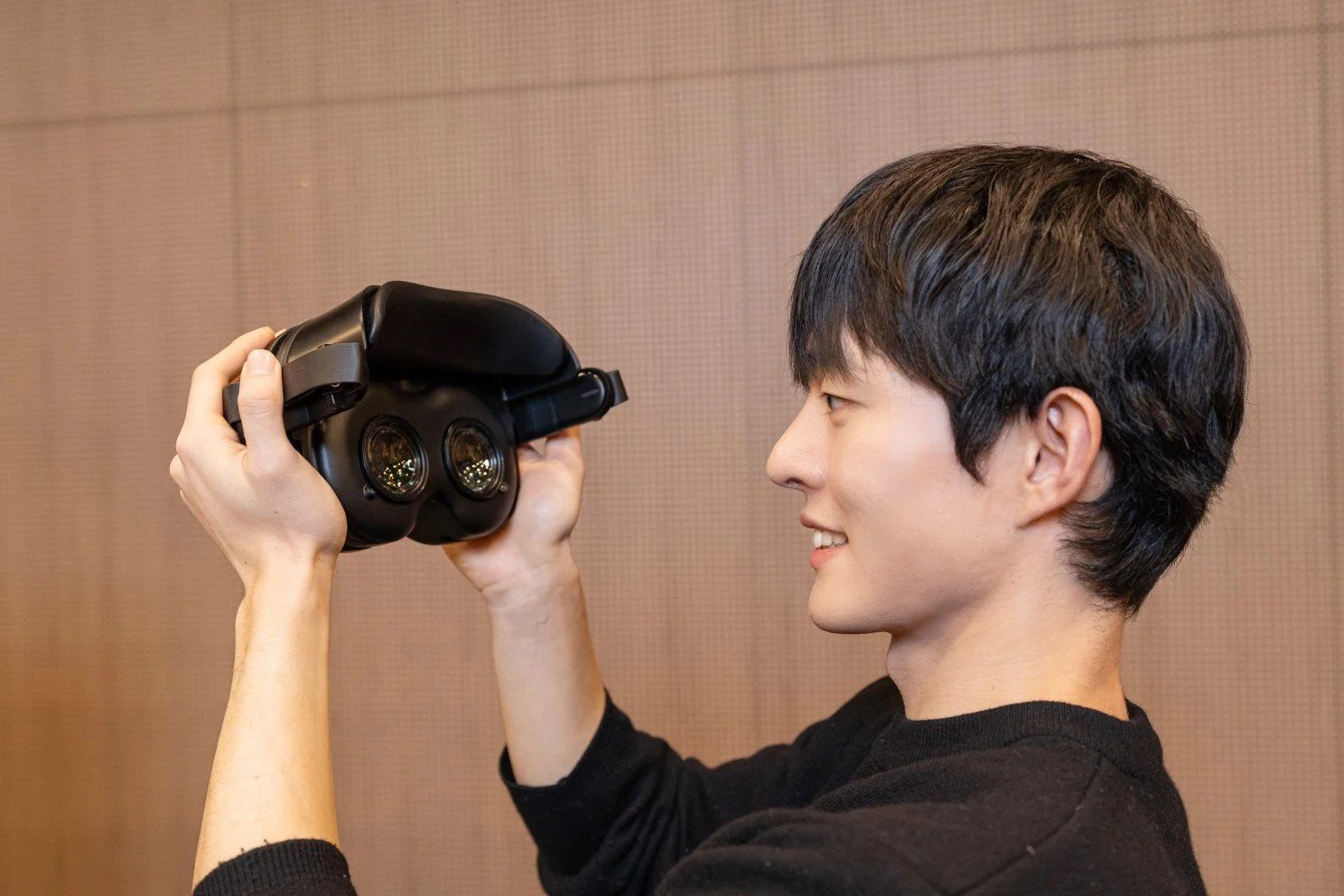
Samsung Display will exhibit a headset demo equipped with a 5000 pixels per inch RGB OLEDoS (OLED on Silicon) displays at CES 2026. This pixel density enables image clarity nearly three times that of a 4K TV in a headset. We are probably getting into territory where the detail is too fine for a human eye to tell the difference. Display technology like this is another component that will eventually power more comfortable, lightweight XR devices. We're here for it.
/Samsung Display
XR Platform Consolidation
While it didn't technically debut or launch at CES this year, Google's Android XR platform represents a consequential ecosystem development present at the show. Google, Samsung and Qualcomm, want to address the fragmentation that has plagued XR development by establishing an open, unified operating system spanning headsets, tethered AR glasses, and standalone smart glasses. This means that you can use the same XR app across devices, the same way you can download and use Instagram on Android, Apple, Microsoft, and probably Blackberry, if anyone still has one those. It's something we take for granted with mobile, this kind of "let's all be friends" operability doesn't happen on it's own. It's a noble and much needed endeavor, even if it isn't sexy.
Apple's Retreat from the xr Market
Apple Vision Pro's struggles are kindling for "the metaverse is dead" fire. The company slashed production and cut its marketing budget by 95% year-over-year after disappointing sales. Apple only shipped about 45,000 Vision Pro units in Q4 2025, which is minuscule compared to Apple's typical product volumes. Or even compared to Meta Ray-Bans numbers.
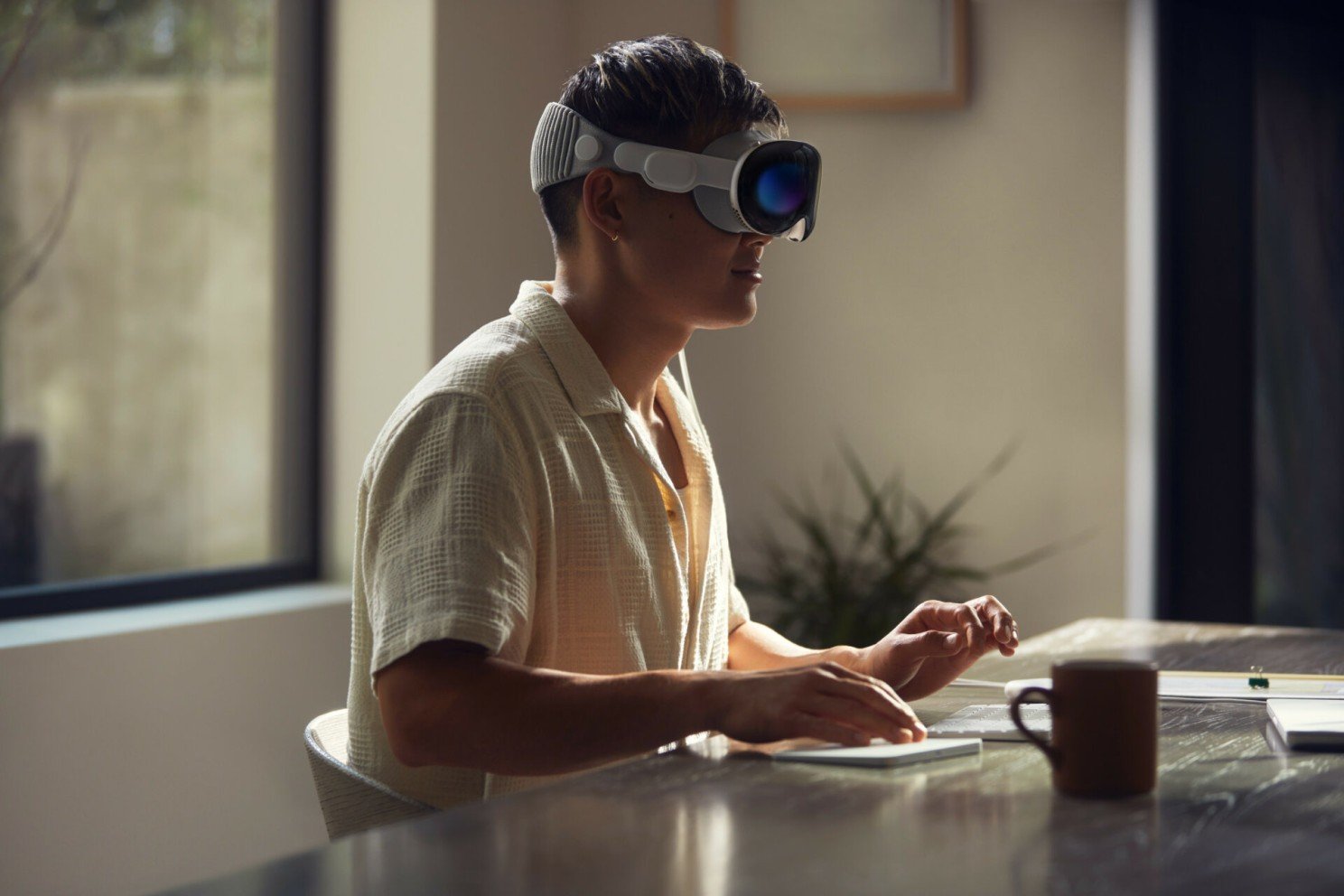
Apple appears to have learned from their mistakes/market data and is pivoting toward AI-powered smart glasses, expected in late 2026, aligning with consumer preferences for lightweight, fashionable(ish) wearables rather than bulky spatial computers. This strategy shift acknowledges what we see with the other wearable providers: the pathway to ubiquitous spatial computing runs through everyday eyewear, not immersive headsets.
2026 XR Market Forecasts and Growth Trajectories
The global XR headset market was valued at $10.1 billion in 2024, with projections reaching $36.6 billion by 2033. Before you slap that on a slide and put it in front of an executive or VC, know that these aggregate figures ignore category divergence. Consumer AR glasses are projected to reach 7.3 million units in 2026, surpassing enterprise AR glasses at 2.9 million units, as consumer markets prove larger than enterprise segments despite later maturity.
The North America AR and VR smart glasses market is forecasted to grow from $4.8 billion in 2025 to $39.5 billion by 2033. Again, these number look great, but this growth trajectory assumes successful mainstream adoption driven by fashion partnerships, AI capabilities, and steadily improving display technology.
North America isn't the only market that matters, although it can feel like that since we hardly hear about anything else. Asia-Pacific actually represents the fastest-growing regional market, driven by China's scale and rapid adoption.
If you enjoyed this article make sure you are subscribed to the newsletter on LinkedIn and via email.
